
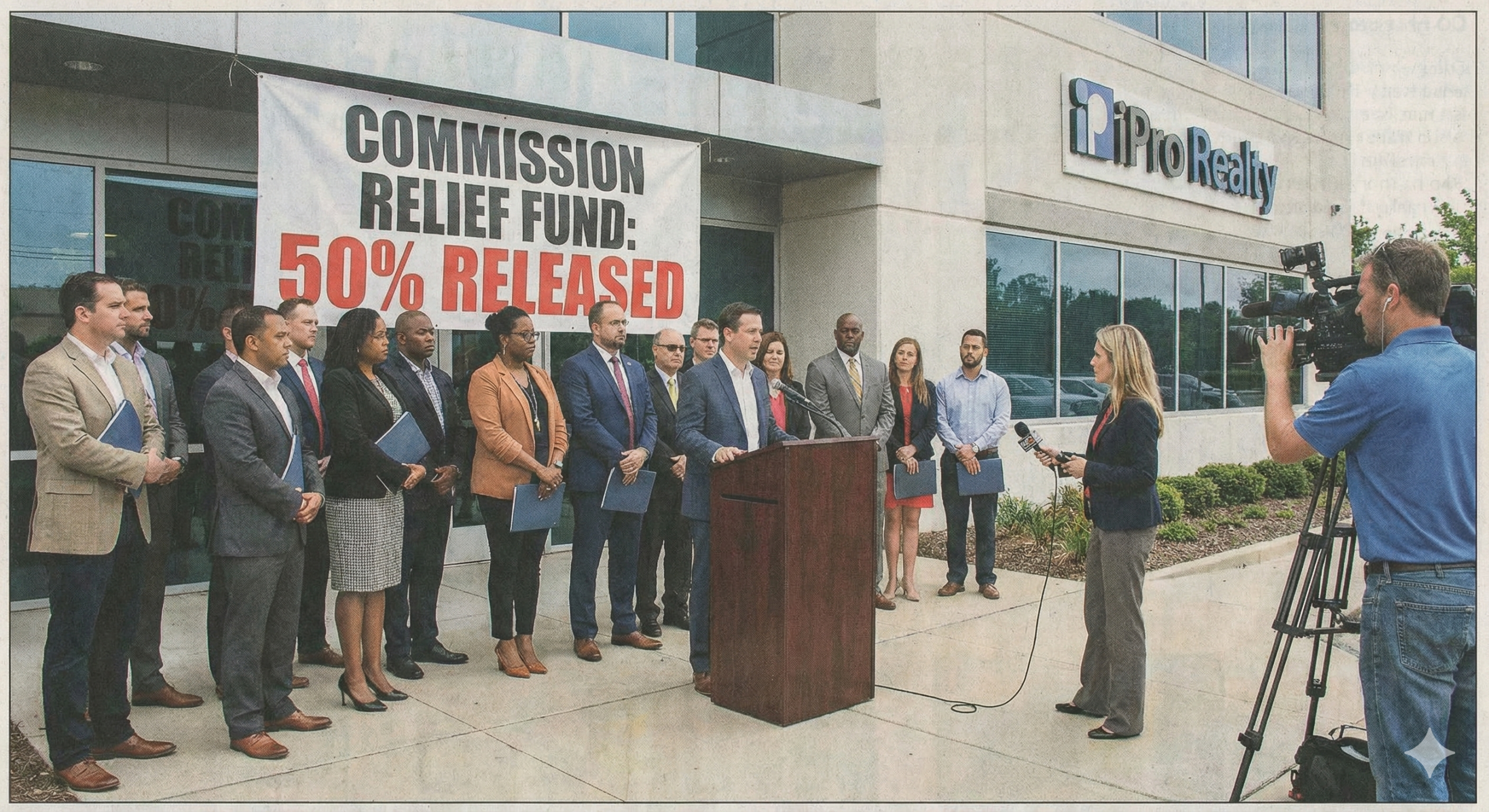

Realtors Impacted by iPro Realty Scandal to Receive Half of Frozen Commissions
Florez is part of a group representing roughly 250 affected agents, many of whom have been waiting months for commissions tied to completed transactions. She says the group plans to formally raise concerns with both RECO administrator Jean Lépine and Premier Doug Ford, arguing that the current compensation structure unfairly shifts the burden of brokerage failure onto individual realtors.
What RECO Is Saying
In a public advisory issued Dec. 15, Lépine said RECO’s priority has been to accelerate payments through the Commission Protection Insurance Program, administered by Alternative Risk Services.
“This event is larger in scope and size than any that has occurred in 25 years of the insurance program,” the insurer said, noting that total commission losses are projected to reach approximately $30 million.
According to Alternative Risk Services, the combination of:
-
$4 million in insurance coverage, and
-
Funds expected to be recovered from frozen iPro accounts
is only sufficient to cover about half of the total commission claims.
Lépine emphasized that consumer protection was also a key concern, adding that approximately $5 million in consumer deposit claims have already been paid out, ensuring buyers and sellers were not financially harmed by the brokerage’s collapse.
Why Only 50 Per Cent?
At the heart of the dispute is how commission protection insurance is structured in Ontario.
Real estate agents are required to pay into an insurance program designed to protect both consumer deposits and realtor commissions in the event of brokerage insolvency or misappropriation. However, agents do not control trust accounts and have no authority over how brokerages manage funds.
“That’s the fundamental injustice here,” Florez said. “Realtors are paying for insurance to cover risks they don’t create and can’t control.”
Insurance limits, combined with the scale of losses at iPro, mean that even when the insurance is triggered, agents are effectively competing for a limited pool of funds—often after consumer claims are prioritized.
The iPro Timeline
According to an audit report cited by provincial officials, iPro Realty first disclosed a $10 million shortfall in trust accounts to RECO on May 19. However, the regulator did not publicly disclose the issue until August 14, when it announced the brokerage would terminate its registration and close on Aug. 19.
By that point, RECO moved to freeze all iPro accounts, a step intended to safeguard remaining funds but one that also prevented commissions from being released without a court order.
“Once a freeze order is in place, outstanding funds can be deposited, but no funds can be released without evidence of loss and court authorization,” Lépine explained.
That freeze sparked a wave of protests by agents across the Greater Toronto Area, with demonstrators demanding immediate access to earned commissions.
Provincial Takeover of RECO
The scale of the scandal prompted the Ontario government to take over RECO, appointing Lépine as administrator effective Dec. 1.
An independent audit concluded that RECO’s registrar had deviated from standard regulatory practices in responding to the iPro situation, raising concerns about delayed intervention and oversight failures.
For affected agents, those findings only deepen frustration.
“If regulatory failures contributed to the size of this loss,” Florez argued, “then RECO should be financially responsible for ensuring commissions are paid in full.”
Agents Say System Is Fundamentally Unfair
In a written statement, Florez questioned why individual realtors—many of whom are independent contractors—bear the financial consequences of brokerage misconduct.
“If brokerages are the custodians of trust funds, why are they not bearing the full cost of the insurance that protects against their own failures?” she asked.
Agents say the current system leaves them:
-
Waiting months for payment
-
Receiving partial compensation
-
Absorbing financial losses despite completing transactions
Many report having mortgages, staff salaries, marketing expenses and personal obligations that continued while their income was frozen.
Broader Impact on the Industry
iPro Realty employed approximately 2,400 agents and operated 17 locations across Ontario, including Mississauga, Brampton, Burlington, Milton, Georgetown, Woodbridge, Orangeville and Pickering.
Industry observers say the scandal has shaken confidence in brokerage oversight and raised questions about whether insurance limits and regulatory safeguards are adequate for large, modern brokerages.
“This case exposed vulnerabilities that have existed for years,” said one real estate governance expert. “The system was designed for smaller failures, not multi-million-dollar collapses.”
What Happens Next?
For now, agents will begin receiving half of their owed commissions, with no guarantee the remaining balance will ever be paid.
Florez and other agents say they will continue pushing for:
-
Full commission repayment
-
Regulatory reform
-
A review of insurance funding structures
-
Clear accountability for oversight failures
“This isn’t just about iPro,” Florez said. “It’s about protecting every realtor in Ontario from going through this again.”
Conclusion
The decision to release 50 per cent of frozen commissions marks a significant but controversial step in resolving one of Ontario’s largest real estate scandals.
While regulators emphasize consumer protection and financial limitations, affected agents argue the solution leaves them unfairly penalized for failures beyond their control.
As partial payments roll out, the iPro scandal continues to raise uncomfortable questions about accountability, insurance adequacy and who ultimately pays the price when brokerage oversight breaks down.